
Showing posts with label Woody Herman. Show all posts
Showing posts with label Woody Herman. Show all posts
Tuesday, October 27, 2026

Tuesday, October 6, 2026

Sunday, September 27, 2026
Sunday, August 2, 2026

Thursday, May 14, 2026
Woody Herman • The New Swingin' Herman Herd

After early experience in Chicago with the bands led by Tom Gerun and Harry Sosnik, Woody Herman toured with Gus Arnheim. In 1934, he joined Isham Jones, and when Jones's group disbanded in 1936 Herman used its leading sidemen as the nucleus for his own orchestra. This band went through a number of changes of personnel, such as the inclusion in 1943 of Chubby Jackson and in 1944 of Neal Hefti, Ralph Burns, Flip Phillips, and Bill Harris (by the mid-1940s, under the name Herman's Herd, it was internationally famous for the force and originality of its music. Herman reformed the band in 1947, and the distinctive feature of the Second Herd was the group of saxophonists (three tenor and one baritone) who came to be known as the Four Brothers; among the musicians who played in the section were Serge Chaloff, Stan Getz, Zoot Sims, Al Cohn, and Gene Ammons.
After the demise of the Second Herd in 1949, Herman continued to lead bands; these were perhaps less creative, but their consistently high level of musicianship assured his continuing reputation. The Anglo-American Herd, which he organized in 1959, was significant in the history of English Jazz; another of the more distinctive later bands, the Swinging Herd, was formed in 1962 and featured such excellent soloists as Bill Chase, Phil Wilson, and Sal Nistico. Herman broadened his scope in the late 1960s, when he took up soprano saxophone and included young jazz-rock players in his groups. He toured widely in the 1970s, and in the early 1980s held a residency in a club in New Orleans. Thereafter he worked principally on the West Coast, before taking up another residency in the St. Regis Hotel, New York, in 1985. He celebrated his 50th anniversary as bandleader with the formation of a new orchestra in 1986.
Although Herman's instrumental expertise was considerable, his essential importance was as an organizer. His rare ability to assemble and sustain bands notable for the quality of their musicians grew especially clear in the late years of World War II, when his group consisted of brilliant improvisers whose ensemble playing was exuberant and incisive; Igor Stravinsky was so impressed by its sound that in 1945 he composed his Ebony Concerto for the band. The harmonic procedures of bop influenced Herman's next orchestra even more deeply, confirming his freedom from the contemporary sectarianism in jazz. The ebullient Lemon Drop (1948) with its succession of exciting improvisations illustrates Herman's shrewd open-mindedness as a bandleader as do more overtly ambitious recordings like the two-part Lady McGowan's Dream (1946) and the four-part Summer Sequence (1946-7), both composed by Burns.
https://musicians.allaboutjazz.com/woodyherman
///////
Tras una temprana experiencia en Chicago con las bandas lideradas por Tom Gerun y Harry Sosnik, Woody Herman hizo una gira con Gus Arnheim. En 1934, se unió a Isham Jones, y cuando el grupo de Jones se disolvió en 1936, Herman utilizó a sus compañeros principales como núcleo de su propia orquesta. Esta banda pasó por varios cambios de personal, como la inclusión en 1943 de Chubby Jackson y en 1944 de Neal Hefti, Ralph Burns, Flip Phillips y Bill Harris (a mediados de la década de 1940, bajo el nombre de Herman's Herd, fue internacionalmente famosa por la fuerza y la originalidad de su música. Herman reformó la banda en 1947, y el rasgo distintivo de la Segunda Manada fue el grupo de saxofonistas (tres tenores y un barítono) que llegaron a ser conocidos como los Cuatro Hermanos; entre los músicos que tocaron en la sección estaban Serge Chaloff, Stan Getz, Zoot Sims, Al Cohn y Gene Ammons.
Tras la desaparición de la Segunda Manada en 1949, Herman continuó dirigiendo bandas; éstas eran quizás menos creativas, pero su constante alto nivel de musicalidad aseguraba su continua reputación. La Anglo-American Herd, que organizó en 1959, fue importante en la historia del jazz inglés; otra de las bandas posteriores más distintivas, la Swinging Herd, se formó en 1962 y contó con excelentes solistas como Bill Chase, Phil Wilson y Sal Nistico. Herman amplió su ámbito de actuación a finales del decenio de 1960, cuando se dedicó al saxofón soprano e incluyó a jóvenes músicos de jazz-rock en sus grupos. Hizo muchas giras en los 70 y a principios de los 80 hizo una residencia en un club de Nueva Orleans. A partir de entonces trabajó principalmente en la Costa Oeste, antes de hacer otra residencia en el Hotel St. Regis, Nueva York, en 1985. Celebró su 50 aniversario como director de banda con la formación de una nueva orquesta en 1986.
Aunque la experiencia instrumental de Herman era considerable, su importancia esencial era como organizador. Su rara habilidad para reunir y sostener bandas notables por la calidad de sus músicos se hizo especialmente evidente en los últimos años de la Segunda Guerra Mundial, cuando su grupo estaba formado por brillantes improvisadores cuya interpretación en conjunto era exuberante e incisiva; Igor Stravinsky quedó tan impresionado por su sonido que en 1945 compuso su Concierto de Ébano para la banda. Los procedimientos armónicos del bop influyeron aún más profundamente en la siguiente orquesta de Herman, confirmando su libertad del sectarismo contemporáneo en el jazz. La exuberante Lemon Drop (1948), con su sucesión de emocionantes improvisaciones, ilustra la sagaz apertura de miras de Herman como director de banda, al igual que otras grabaciones más abiertamente ambiciosas como el Sueño de Lady McGowan (1946), en dos partes, y la Secuencia de verano (1946-7), en cuatro partes, ambas compuestas por Burns.
https://musicians.allaboutjazz.com/woodyherman
Wednesday, May 6, 2026
Woody Herman • Verve Jazz Masters 54

Biography
After early experience in Chicago with the bands led by Tom Gerun and Harry Sosnik, Woody Herman toured with Gus Arnheim. In 1934, he joined Isham Jones, and when Jones's group disbanded in 1936 Herman used its leading sidemen as the nucleus for his own orchestra. This band went through a number of changes of personnel, such as the inclusion in 1943 of Chubby Jackson and in 1944 of Neal Hefti, Ralph Burns, Flip Phillips, and Bill Harris (by the mid-1940s, under the name Herman's Herd, it was internationally famous for the force and originality of its music. Herman reformed the band in 1947, and the distinctive feature of the Second Herd was the group of saxophonists (three tenor and one baritone) who came to be known as the Four Brothers; among the musicians who played in the section were Serge Chaloff, Stan Getz, Zoot Sims, Al Cohn, and Gene Ammons.
After the demise of the Second Herd in 1949, Herman continued to lead bands; these were perhaps less creative, but their consistently high level of musicianship assured his continuing reputation. The Anglo-American Herd, which he organized in 1959, was significant in the history of English Jazz; another of the more distinctive later bands, the Swinging Herd, was formed in 1962 and featured such excellent soloists as Bill Chase, Phil Wilson, and Sal Nistico. Herman broadened his scope in the late 1960s, when he took up soprano saxophone and included young jazz-rock players in his groups. He toured widely in the 1970s, and in the early 1980s held a residency in a club in New Orleans. Thereafter he worked principally on the West Coast, before taking up another residency in the St. Regis Hotel, New York, in 1985. He celebrated his 50th anniversary as bandleader with the formation of a new orchestra in 1986.
Although Herman's instrumental expertise was considerable, his essential importance was as an organizer. His rare ability to assemble and sustain bands notable for the quality of their musicians grew especially clear in the late years of World War II, when his group consisted of brilliant improvisers whose ensemble playing was exuberant and incisive; Igor Stravinsky was so impressed by its sound that in 1945 he composed his Ebony Concerto for the band. The harmonic procedures of bop influenced Herman's next orchestra even more deeply, confirming his freedom from the contemporary sectarianism in jazz. The ebullient Lemon Drop (1948) with its succession of exciting improvisations illustrates Herman's shrewd open-mindedness as a bandleader as do more overtly ambitious recordings like the two-part Lady McGowan's Dream (1946) and the four-part Summer Sequence (1946-7), both composed by Burns.
https://www.allaboutjazz.com/musicians/woody-herman/
///////
Biografía
Después de una experiencia temprana en Chicago con las bandas dirigidas por Tom Gerun y Harry Sosnik, Woody Herman realizó una gira con Gus Arnheim. En 1934, se unió a Isham Jones, y cuando el grupo de Jones se disolvió en 1936, Herman usó a sus acompañantes principales como núcleo de su propia orquesta. Esta banda pasó por una serie de cambios de personal, como la inclusión en 1943 de Chubby Jackson y en 1944 de Neal Hefti, Ralph Burns, Flip Phillips y Bill Harris (a mediados de la década de 1940, bajo el nombre de Herman's Herd, era internacionalmente famosa por la fuerza y originalidad de su música. Herman reformó la banda en 1947, y el rasgo distintivo de la Segunda Manada fue el grupo de saxofonistas (tres tenores y un barítono) que llegaron a ser conocidos como los Cuatro Hermanos; entre los músicos que tocaron en la sección estaban Serge Chaloff, Stan Getz, Zoot Sims, Al Cohn y Gene Ammons.
Después de la desaparición de The Second Herd en 1949, Herman continuó liderando bandas; estas quizás eran menos creativas, pero su alto nivel constante de musicalidad aseguró su reputación continua. The Anglo-American Herd, que organizó en 1959, fue importante en la historia del Jazz inglés; otra de las bandas posteriores más distintivas, the Swinging Herd, se formó en 1962 y contó con excelentes solistas como Bill Chase, Phil Wilson y Sal Nistico. Herman amplió su alcance a fines de la década de 1960, cuando tomó el saxofón soprano e incluyó a jóvenes músicos de jazz-rock en sus grupos. Realizó numerosas giras en la década de 1970 y, a principios de la de 1980, realizó una residencia en un club de Nueva Orleans. A partir de entonces, trabajó principalmente en la Costa Oeste, antes de tomar otra residencia en el Hotel St.Regis, Nueva York, en 1985. Celebró su 50 aniversario como director de orquesta con la formación de una nueva orquesta en 1986.
Aunque la experiencia instrumental de Herman era considerable, su importancia esencial era como organizador. Su rara habilidad para reunir y sostener bandas notables por la calidad de sus músicos se hizo especialmente evidente a fines de la Segunda Guerra Mundial, cuando su grupo estaba formado por brillantes improvisadores cuyo conjunto tocaba de manera exuberante e incisiva; Igor Stravinsky quedó tan impresionado por su sonido que en 1945 compuso su Concierto de Ébano para la banda. Los procedimientos armónicos de bop influyeron aún más profundamente en la próxima orquesta de Herman, confirmando su libertad del sectarismo contemporáneo en el jazz. La exuberante Lemon Drop (1948) con su sucesión de emocionantes improvisaciones ilustra la astuta mentalidad abierta de Herman como líder de banda, al igual que grabaciones más abiertamente ambiciosas como Lady Mcgowan's Dream (1946) en dos partes y Summer Sequence (1946-7) en cuatro partes, ambas compuestas por Burns.
https://www.allaboutjazz.com/musicians/woody-herman/
Thursday, April 30, 2026
VA • Saxophone 'N' Jazz

Charlie Parker, Stan Getz, Dexter Gordon, Sonny Rollins, John Coltrane, Gerry Mulligan, Wayne Shorter, Steve Lacy, Lester Young, Coleman Hawkins, Art Pepper, Woody Herman, Gene Ammons, Yusef Lateef …
Saturday, March 28, 2026

Tuesday, August 26, 2025

Wednesday, April 16, 2025

Tuesday, April 1, 2025
VA • Big Band Jazzː Verve 50

Glenn Miller, Count Basie, Ella Fitzgerald, Duke Ellington, Buddy Rich, Harry James, Sarah Vaughan, Quincy Jones, Woody Herman, Art Blakey & The Jazz Messengers, Dizzy Gillespie ...
Saturday, March 15, 2025
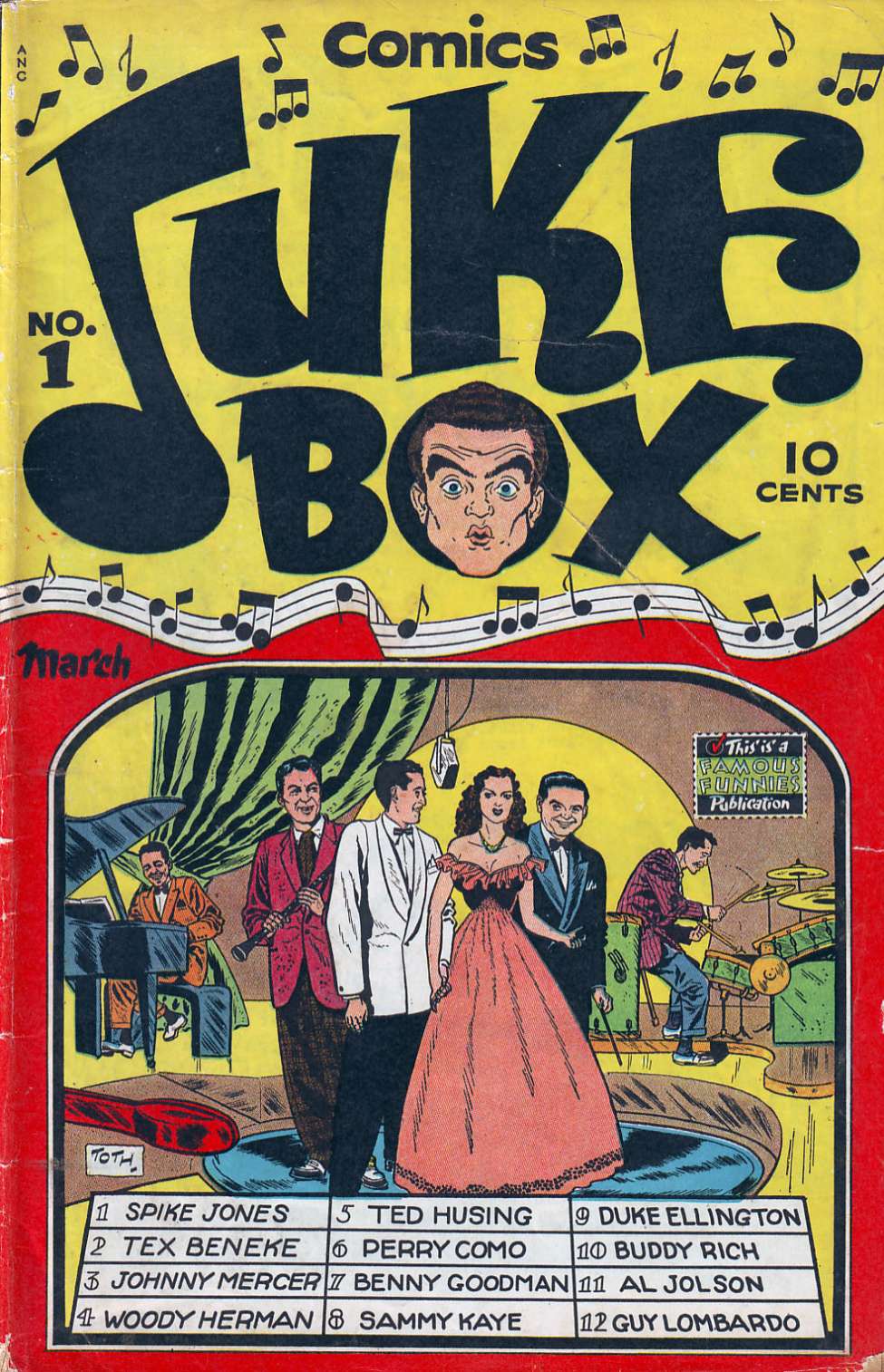
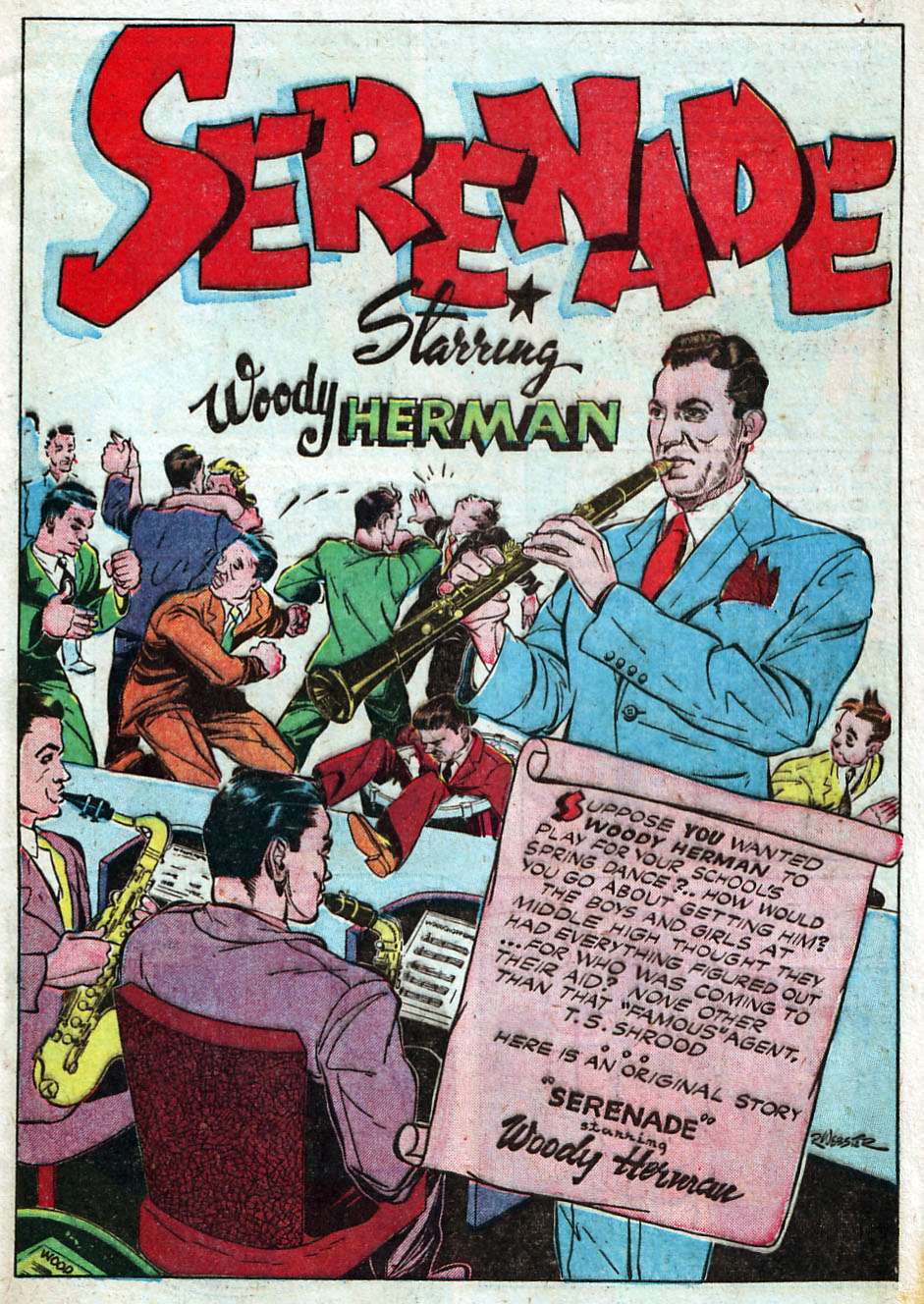
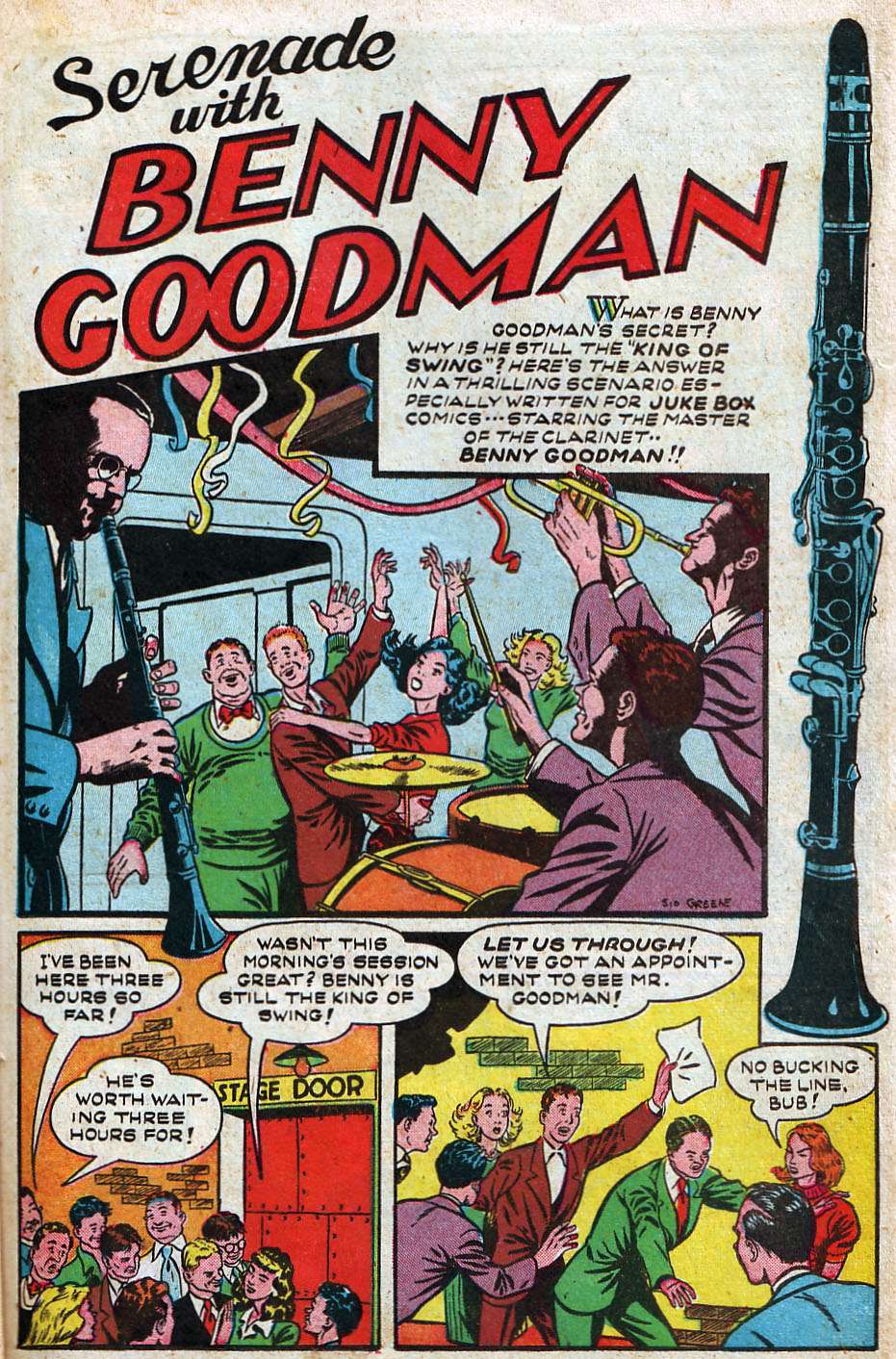
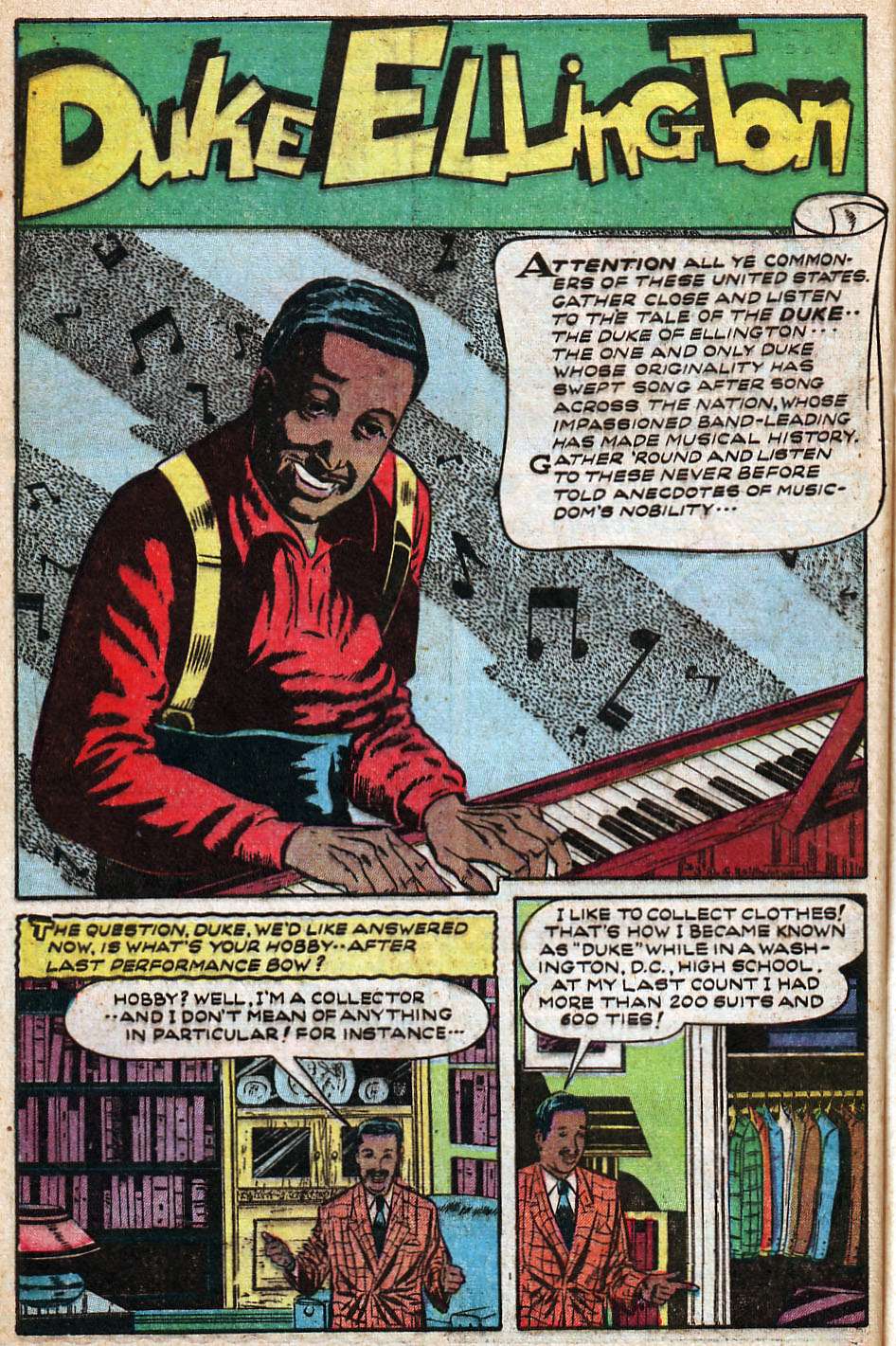
Jazz in Comics!

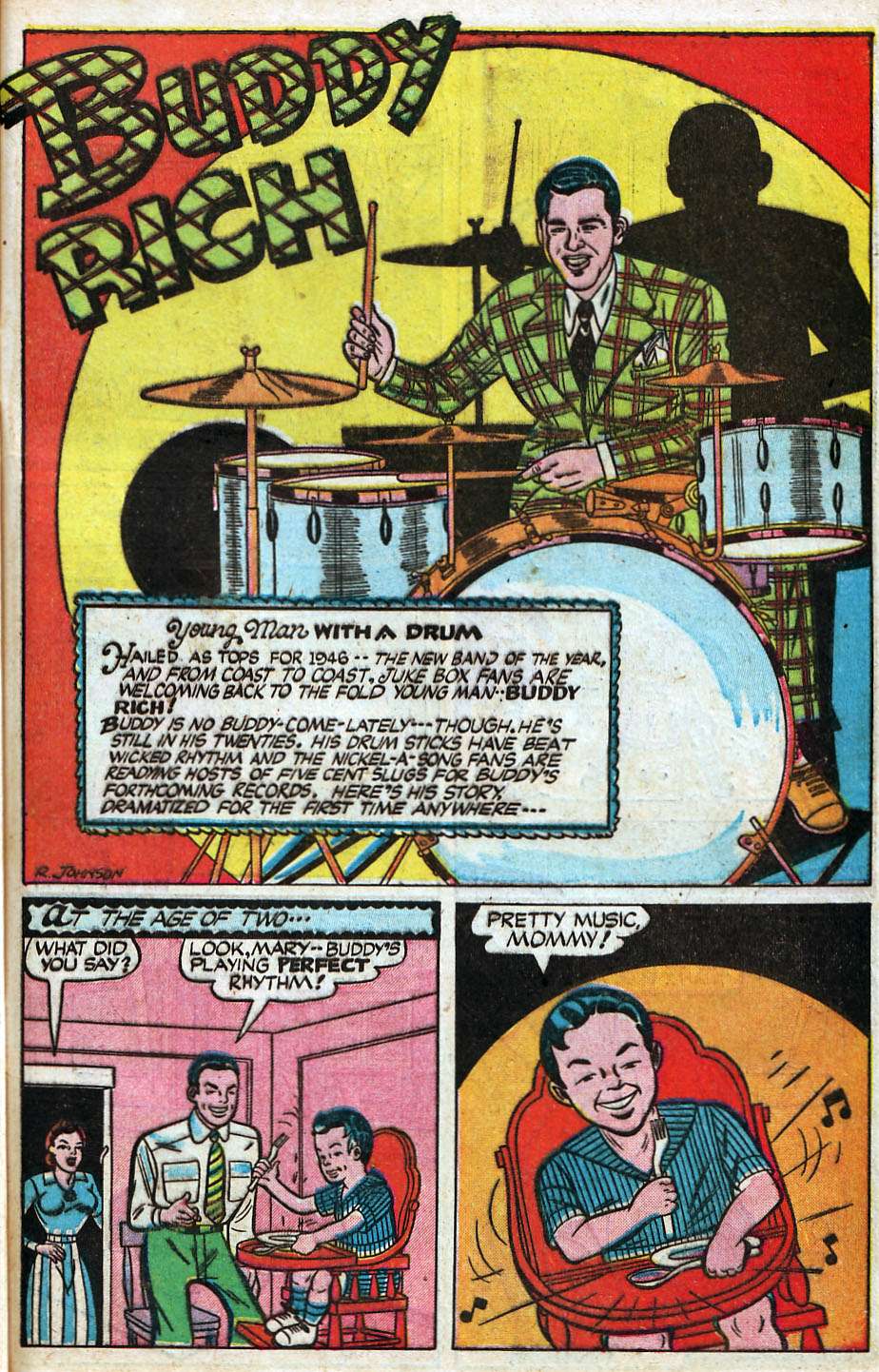
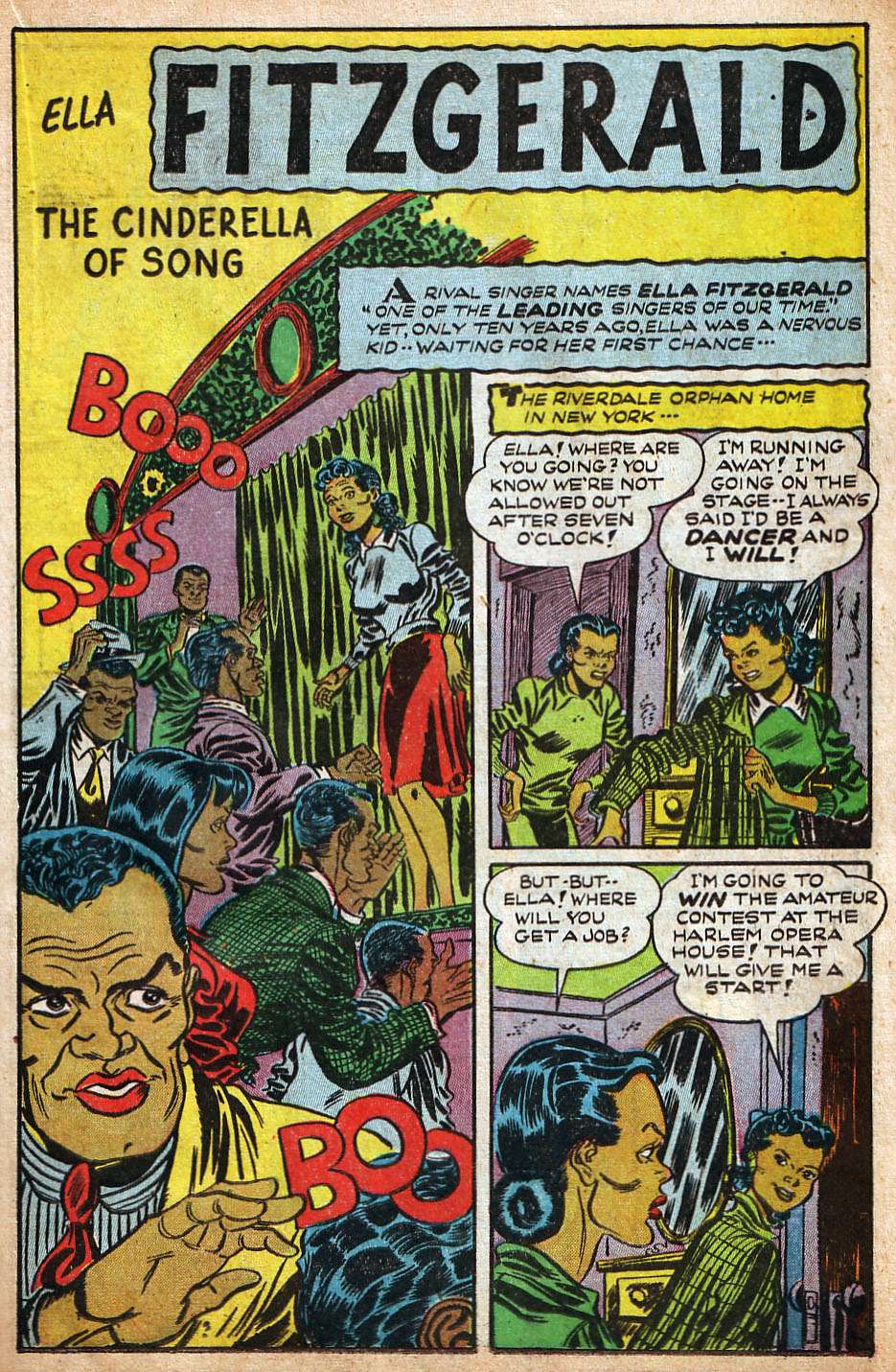
Juke Box Comics was a publication that had six numbers between 1948 and 1949, which stood out for presenting famous jazz and popular music in different stories and adventures. We can see parading through its pages to Woody Herman, Benny Goodman, Duke Ellington, Buddy Rich, Al Johnson, Xavier Cugat, Ella Fitzgerald, Louis Armstrong, Cab Calloway and Lionel Hampton among others.53 comics pages each are online at the link listed at the end.
///////
Juke Box Comics fue una publicación que tuvo 6 números entre 1948 y 1949, que se destacaba por presentar a famosos del jazz y música popular en diversas historias y aventuras. Podemos ver desfilar por su páginas a Woody Herman, Benny Goodman, Duke Ellington, Buddy Rich, Al Jhonson, Xavier Cugat, Ella Fitzgerald, Louis Armstrong, Cab Calloway y Lionel Hampton entre otros.


Friday, February 14, 2025
Woody Herman With Erroll Garner • Music For Tired Lovers

Review
by Scott Yanow
In
1954 Woody Herman recorded one of his most unusual sets, a purely vocal
album in which he was accompanied by the Erroll Garner Trio. Herman,
who originally sang on half of his band's recordings, was always an
expressive ballad singer and he does a fine job on such standards as "My
Melancholy Baby," "Let's Fall in Love" and "I'm Beginning to See the
Light." The humorous photo on this out-of-print LP is an extra bonus.
https://www.allmusic.com/album/music-for-tired-lovers-mw0000867400
///////
Revisión
por Scott Yanow
En
1954 Woody Herman grabó uno de sus conjuntos más inusuales, un álbum
puramente vocal en el que estaba acompañado por el Erroll Garner Trio.
Herman, que originalmente cantaba en la mitad de las grabaciones de su
banda, siempre fue un expresivo cantante de baladas y hace un buen
trabajo en estándares como "My Melancholy Baby", "Let's Fall in Love" y
"I'm Beginning to See the Light". La foto humorística de este LP
descatalogado es un extra.
https://www.allmusic.com/album/music-for-tired-lovers-mw0000867400
Wednesday, February 12, 2025
Woody Herman • The Thundering Herds 1945-1947

Review
by Scott Yanow
Since the definitive three-LP box set Thundering Herds is out-of-print, this single CD is the best place for listeners to go first when starting to explore the music of Woody Herman. There are 16 selections from what was arguably his best band, his First Herd, and two numbers (including the original version of "Four Brothers") by The Second Herd. A few rarities (such as "A Jug of wine" and "The Blues Are Brewing") are mixed in with such classics as "Apple Honey," "Northwest Passage," "Your Father's Mustache" and a new version of "Woodchopper's Ball," but there is unavoidably a lot missing from this single disc, a set which will have to suffice until a more complete reissue series comes along.
https://www.allmusic.com/album/thundering-herds-1945-1947-mw0000177148
///////
Reseña
por Scott Yanow
Dado que la caja definitiva de tres LP Thundering Herds está agotada, este CD es el mejor lugar al que pueden acudir los oyentes para empezar a explorar la música de Woody Herman. Hay 16 selecciones de la que posiblemente fue su mejor banda, su First Herd, y dos números (incluida la versión original de "Four Brothers") de The Second Herd. Algunas rarezas (como "A Jug of wine" y "The Blues Are Brewing") se mezclan con clásicos como "Apple Honey", "Northwest Passage", "Your Father's Mustache" y una nueva versión de "Woodchopper's Ball", pero es inevitable que falten muchas cosas en este único disco, un conjunto que tendrá que ser suficiente hasta que llegue una serie de reediciones más completas.
https://www.allmusic.com/album/thundering-herds-1945-1947-mw0000177148
Thursday, January 23, 2025

Tuesday, January 7, 2025
VA • Jam Sessionː America's Jazz Ambassadors Embrace The World

After World War II, Voice of America radio broadcasts by Leonard Feather and Willis Conover helped to lay the foundation for subsequent tours. U.S. State Department sponsored the tours that sent America’s JAZZ AMBASSADORS around the world. They travelled from 1955 to the 70’s and visited such different places as the Soviet Union, Iraq, Iran, Jordan, Syria, Turkey, India, Thailand, Burma, Pakistan, Philippines, Ceylon, Japan, Ghana, Cameroon, Congo, Egypt, Senegal, Nigeria, Morocco, Kenya, Chile, Argentina and Europe. Everywhere they played they were very well received and did a fantastic job as "Good Will Jazz Ambassadors".
///////
Después de la Segunda Guerra Mundial, las transmisiones de radio de Voice of America de Leonard Feather y Willis Conover ayudaron a sentar las bases para giras posteriores. El Departamento de Estado de los EE.UU. patrocinó las giras que enviaron a los EMBAJADORES del JAZZ de Estados Unidos por todo el mundo. Viajaron desde 1955 hasta los años 70 y visitaron lugares tan diferentes como la Unión Soviética, Irak, Irán, Jordania, Siria, Turquía, India, Tailandia, Birmania, Pakistán, Filipinas, Ceilán, Japón, Ghana, Camerún, Congo, Egipto, Senegal, Nigeria, Marruecos, Kenia, Chile, Argentina y Europa. En todos los lugares donde tocaron fueron muy bien recibidos e hicieron un trabajo fantástico como "Embajadores de Buena Voluntad del Jazz".
Wednesday, December 18, 2024

Tuesday, October 1, 2024
Buck Clayton • How Hi The Fi

Biography
by Ron Wynn
An excellent bandleader and accompanist for many vocalists, including Billie Holiday, Buck Clayton was a valued soloist with Count Basie Orchestra during the '30s and '40s, and later was a celebrated studio and jam session player, writer, and arranger. His tart, striking tone and melodic dexterity were his trademark, and Clayton provided several charts for Basie's orchestra and many other groups. Clayton began his career in California, where he organized a big band that had a residency in China in 1934. When he returned, Clayton led a group and played with other local bands. During a 1936 visit to Kansas City, he was invited to join Basie's orchestra as a replacement for Hot Lips Page. Clayton was also featured on sessions with Lester Young, Teddy Wilson, and Holiday in the late '30s. He remained in the Basie band until 1943, when he left for army service. After leaving the army, Clayton did arrangements for Basie, Benny Goodman, and Harry James before forming a sextet in the late '40s. He toured Europe with this group in 1949 and 1950. Clayton continued heading a combo during the '50s, and worked with Joe Bushkin, Tony Parenti, and Jimmy Rushing, among others. He organized a series of outstanding recordings for Columbia in the mid-'50s under the title Jam Session (compiled and reissued by Mosaic in 1993). There were sessions with Rushing, Ruby Braff, and Nat Pierce. Clayton led a combo with Coleman Hawkins and J.J. Johnson at the 1956 Newport Jazz Festival, then reunited with Goodman in 1957 at the Waldorf Astoria. There was another European tour, this time with Mezz Mezzrow. He appeared in the 1956 film The Benny Goodman Story and played the 1958 Brussels World Fair with Sidney Bechet. Clayton later made another European visit with a Newport Jazz Festival tour. He joined Eddie Condon's band in 1959, a year after appearing in the film Jazz on a Summer's Day. Clayton toured Japan and Australia with Condon's group in 1964, and continued to revisit Europe throughout the '60s, often with Humphrey Lyttelton's band, while playing festivals across the country. But lip and health problems virtually ended his playing career in the late '60s. After a period outside of music, Clayton once again became active in music, this time as a non-playing arranger, touring Africa as part of a State Department series in 1977. He provided arrangements and compositions for a 1974 Lyttleton and Buddy Tate album, and did more jam session albums for Chiaroscuro in 1974 and 1975. He also became an educator, teaching at Hunter College in the early '80s. Clayton led a group of Basie sidemen on a European tour in 1983, then headed his own big band in 1987 that played almost exclusively his compositions and arrangements. That same year Clayton's extensive autobiography Buck Clayton's Jazz World, with Nancy Miller-Elliot, was published.
https://www.allmusic.com/artist/buck-clayton-mn0000634674/biography?1631114628800
///////
Biografía
por Ron Wynn
Excelente director de banda y acompañante de muchos vocalistas, incluida Billie Holiday, Buck Clayton fue un valioso solista de la orquesta de Count Basie durante los años 30 y 40, y más tarde fue un célebre intérprete de estudio y de jam sessions, escritor y arreglista. Su tono agudo y llamativo y su destreza melódica eran su marca registrada, y Clayton proporcionó varios gráficos para la orquesta de Basie y muchos otros grupos. Clayton comenzó su carrera en California, donde organizó una gran banda que residió en China en 1934. A su regreso, Clayton dirigió un grupo y tocó con otras bandas locales. Durante una visita a Kansas City en 1936, fue invitado a unirse a la orquesta de Basie como sustituto de Hot Lips Page. Clayton también participó en sesiones con Lester Young, Teddy Wilson y Holiday a finales de los años 30. Permaneció en la banda de Basie hasta 1943, cuando se marchó al servicio militar. Tras dejar el ejército, Clayton hizo arreglos para Basie, Benny Goodman y Harry James antes de formar un sexteto a finales de los años 40. Con este grupo realizó una gira por Europa en 1949 y 1950. Clayton continuó dirigiendo un combo durante los años 50, y trabajó con Joe Bushkin, Tony Parenti y Jimmy Rushing, entre otros. Organizó una serie de destacadas grabaciones para Columbia a mediados de los 50 bajo el título Jam Session (recopiladas y reeditadas por Mosaic en 1993). Hubo sesiones con Rushing, Ruby Braff y Nat Pierce. Clayton dirigió un combo con Coleman Hawkins y J.J. Johnson en el Festival de Jazz de Newport de 1956, y luego se reunió con Goodman en 1957 en el Waldorf Astoria. Hubo otra gira europea, esta vez con Mezz Mezzrow. Apareció en la película de 1956 The Benny Goodman Story y tocó en la Feria Mundial de Bruselas de 1958 con Sidney Bechet. Más tarde, Clayton realizó otra visita a Europa con una gira por el Festival de Jazz de Newport. Se unió a la banda de Eddie Condon en 1959, un año después de aparecer en la película Jazz on a Summer's Day. Clayton realizó una gira por Japón y Australia con el grupo de Condon en 1964, y continuó visitando Europa a lo largo de los años 60, a menudo con la banda de Humphrey Lyttelton, mientras tocaba en festivales por todo el país. Pero los problemas de salud y de labios prácticamente acabaron con su carrera como músico a finales de los 60. Después de un periodo fuera de la música, Clayton volvió a estar activo en la música, esta vez como arreglista sin tocar, haciendo una gira por África como parte de una serie del Departamento de Estado en 1977. Proporcionó arreglos y composiciones para un álbum de 1974 de Lyttleton y Buddy Tate, e hizo más álbumes de jam session para Chiaroscuro en 1974 y 1975. También se convirtió en educador, dando clases en el Hunter College a principios de los 80. Clayton dirigió un grupo de acompañantes de Basie en una gira europea en 1983, y luego dirigió su propia big band en 1987, que tocaba casi exclusivamente sus composiciones y arreglos. Ese mismo año se publicó la extensa autobiografía de Clayton, Buck Clayton's Jazz World, con Nancy Miller-Elliot.
https://www.allmusic.com/artist/buck-clayton-mn0000634674/biography?1631114628800
Friday, September 27, 2024
Flip Phillips & Woody Herman • Together Flip & Woody

Review by Scott Yanow
Over 30 years after The First Herd broke up, Flip Phillips had a reunion with Woody Herman for this LP. The emphasis is on ballads and Phillips plays beautifully throughout, but this set lacks variety (only "There Is No Greater Love" is taken at a medium pace). Still, within its limitations and with the orchestra itself mostly playing a supporting role, Phillips and Herman (the latter particularly on alto) blend very well together on this pretty music.
https://www.allmusic.com/album/woody-herman-and-flip-phillips-mw0000904038
///////
Reseña de Scott Yanow
Más de 30 años después de que The First Herd se separara, Flip Phillips se reunió con Woody Herman para este LP. El énfasis está en las baladas y Phillips toca de maravilla en todo momento, pero a este set le falta variedad (sólo «There Is No Greater Love» está tomada a un ritmo medio). Sin embargo, dentro de sus limitaciones y con la orquesta desempeñando sobre todo un papel secundario, Phillips y Herman (este último sobre todo en la contralto) se compenetran muy bien en esta bonita música.
https://www.allmusic.com/album/woody-herman-and-flip-phillips-mw0000904038
Tuesday, September 17, 2024


Subscribe to:
Posts (Atom)